THE SHORT ANSWER
Write one sentence about your plans, choose two options that work practically, then compare them in similar light. Keep everything else the same when you are deciding between individual pieces. The useful question is which option fits your plans and the feeling you want today.
Write a one-sentence brief
Name the occasion, one practical constraint and the feeling you want. For example: “Coffee followed by a walk; I need comfortable shoes and want to look relaxed.” This gives both outfits the same job to do.
Decide what you are comparing. If it is two complete looks, include every piece you plan to wear. If it is one uncertain item, keep everything else the same so you can see its effect.
Give both options a fair photograph
Use similar lighting, camera height and distance for each image. Show the complete outfit, including footwear. A straight-on, natural stance is usually a more useful starting point than two dramatically different poses.
Clear a little space around the outline of the clothes. Avoid mirrors or objects that obscure the outfit. You do not need to buy equipment or take a perfect photograph; you just need the clothing details to be visible in both options.
Make the decision smaller
Compare the outfits against your brief: suitability for the plan, the overall combination and the practical details. If both work, identify the one difference you care about most. You might prefer the more relaxed layer or the shoes you can walk in.
Wear This takes two photos and your brief, then offers a pick, a reason and one adjustment. Treat the result as a second opinion about visible clothes. Keep your own comfort, the actual dress code and your personal preference in charge. The goal is to get dressed and get on with the day.
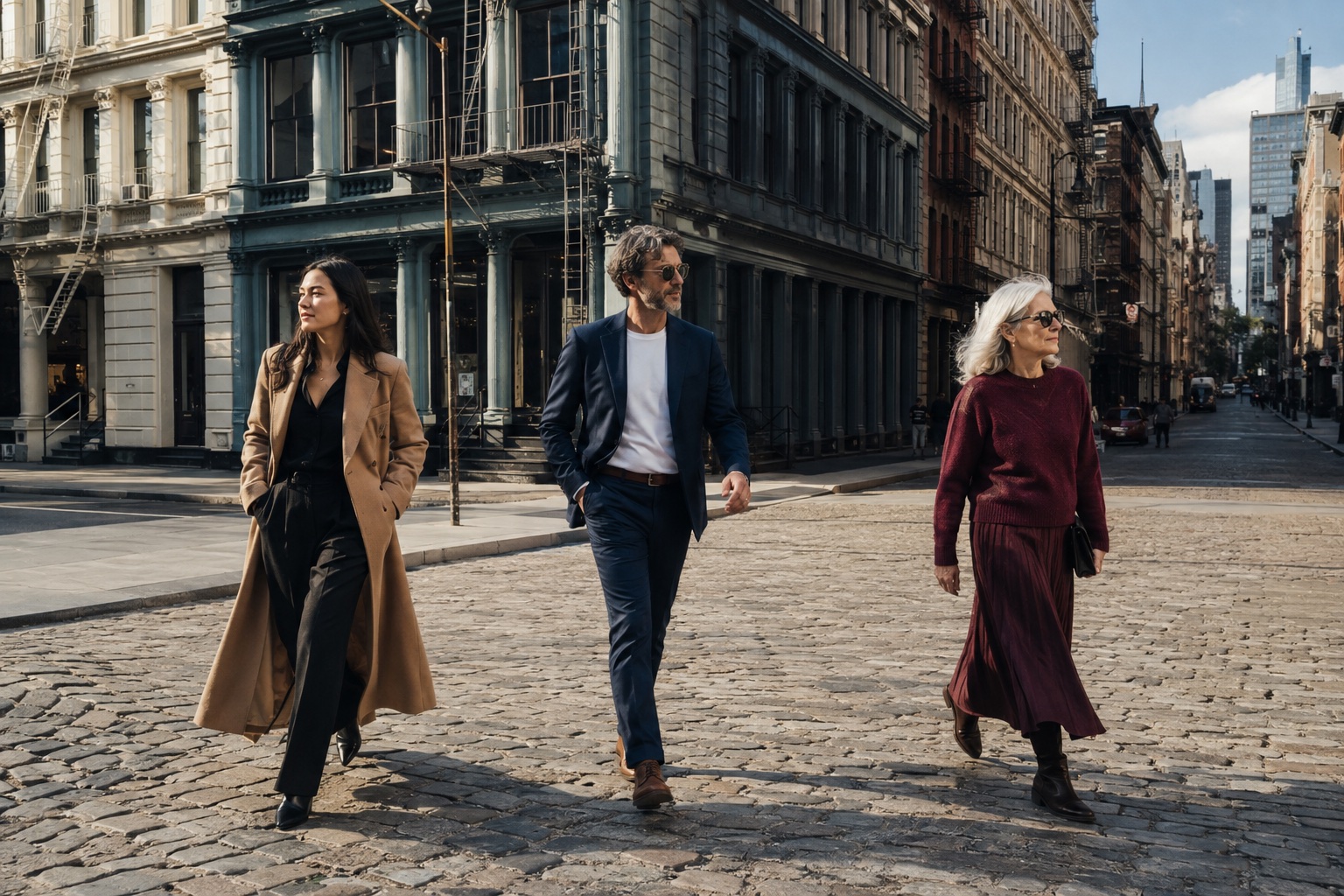
These original AI-assisted notes offer practical styling suggestions. The editorial images are generated illustrations of style, not photographs of an event or a personal styling consultation. Your comfort, preferences and the host’s instructions come first.